
Arizona Property Tax Records
Arizona property tax records are public documents you can search at county assessor and treasurer offices across the state. Each of the 15 Arizona counties keeps its own tax rolls, parcel data, and payment records. The county assessor sets property values while the treasurer collects tax payments. You can look up your tax bill, check assessed values, find payment due dates, and see tax rates for any parcel in Arizona. Most counties now offer free online search tools that let you access these records from home at any time of day or night.
Arizona Property Tax Quick Facts
How Arizona Property Tax Records Work
The property tax system in Arizona is split between state and county roles. The Arizona Department of Revenue sets the rules and oversees the process. But the real work happens at the county level. Each county has two key offices that handle property taxes. The assessor finds and values all taxable land. The treasurer sends out bills and takes payments.
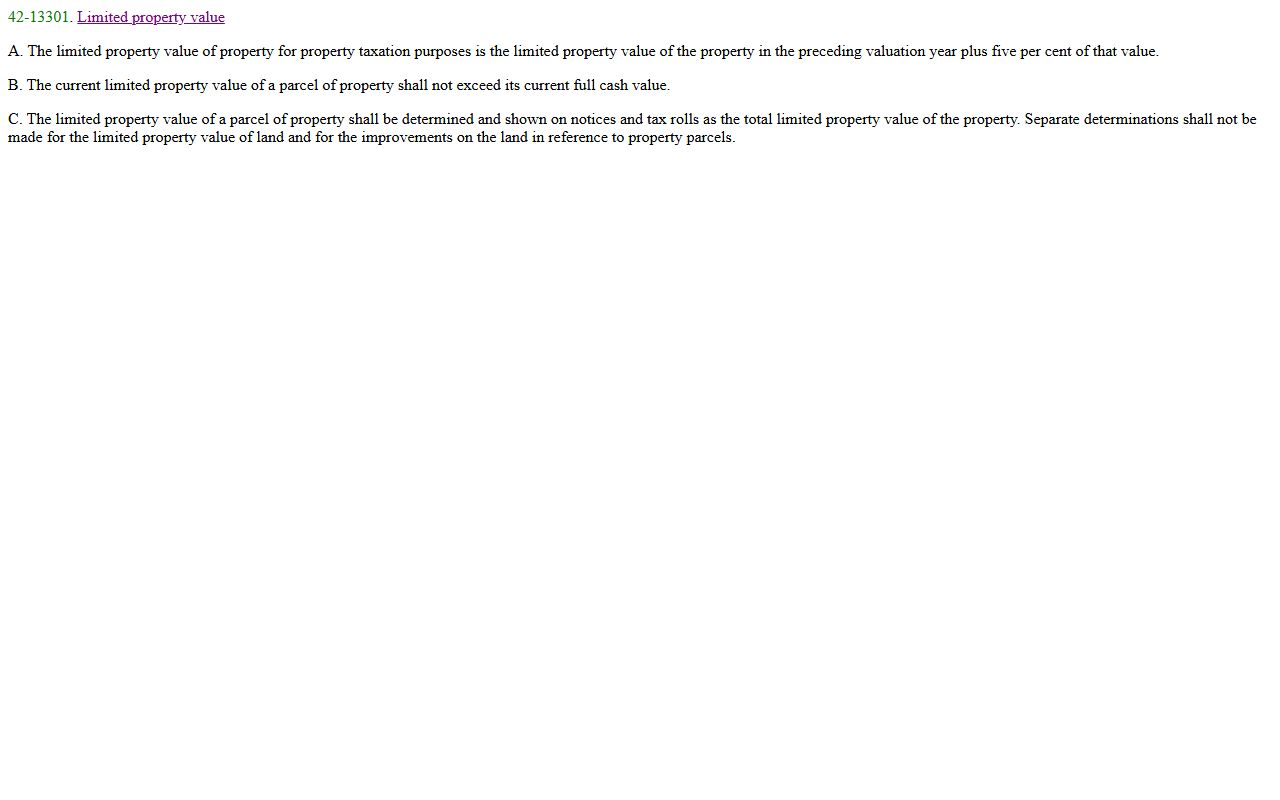
County assessors must find and list every piece of real property in their area by December 15 each year. They look at the land, buildings, and any other structures. The assessor then sets two values for each parcel. The Full Cash Value shows what the property would sell for on the open market. The Limited Property Value is used to figure out your actual tax bill. Under ARS 42-13301, the limited value can only go up 5% per year. This rule helps keep tax bills from jumping too fast when home prices rise. The limited value can never be more than the full cash value, though.
Arizona law gives the public the right to see property tax records. Under ARS 39-121, you can look at any public record during normal office hours. This means you can check tax records for any property in the state. You do not need to own the land. You do not need to give a reason for your search.
Where to Search Arizona Property Tax Records
You can find property tax records at the county level in Arizona. The assessor keeps records on property values, legal descriptions, and ownership info. The treasurer has tax bills, payment history, and lien data. Most Arizona counties put these records online for free public access. You can search by owner name, address, or parcel number.
The Arizona Department of Revenue provides guidance on property tax matters through their main property tax page. You can reach the Property Tax Unit at (602) 716-6843 or by email at PropertyTax@azdor.gov. The department office is at 1600 West Monroe Street in Phoenix. Hours are Monday through Friday from 7 a.m. to 6 p.m. They also offer live chat during business hours if you have quick questions about Arizona property tax rules.
Note: The state office handles policy questions but does not have records for specific parcels. Contact the county assessor or treasurer for records on a particular property.
Arizona Property Tax Assessor Records
The county assessor sets property values for tax purposes. Each year, they mail a Notice of Value to every property owner. This notice shows the Full Cash Value and Limited Property Value for your land and buildings. According to ARS 42-11001, full cash value means market value unless a specific formula applies. The notice also lists your property class, which affects your assessment ratio.
Assessor records contain a lot of useful data. You can find the legal description of any parcel. Maps show exact boundaries and lot sizes. Building records list square footage, year built, and construction type. Sales data shows what nearby homes sold for. All of this goes into setting the assessed value. Most assessors let you search this information online at no cost. Just look up the parcel by address or owner name to see the full record. Maricopa County alone tracks over 1.8 million parcels with a total value of more than one trillion dollars.
Personal property also gets assessed in Arizona. This includes business equipment, machinery, and other items used for commercial purposes. Businesses must file a Business Property Statement with the assessor by April 1 each year. The ADOR forms page has the required Form 82520 for this filing. Good news for small businesses: the exemption for business personal property is going up to $500,000 in Tax Year 2026.
Arizona Property Tax Treasurer Records
The county treasurer handles the money side of property taxes in Arizona. They send out tax bills each September. Bills show how much you owe, when it is due, and how to pay. The treasurer also keeps track of who paid and who did not. You can look up your tax bill and payment history on most county treasurer websites.
Tax bills in Arizona can be paid in two halves or all at once. The first half is due on October 1. It becomes delinquent if not paid by 5 p.m. on November 1. The second half is due March 1 and delinquent after May 1 at 5 p.m. If you want to pay the whole year at once, you must do so by December 31 to avoid any interest. Once you miss a deadline, interest starts to add up. The rate is 16% per year, which works out to about 1.33% per month. That can add up fast on a large tax bill.
Treasurer records show more than just current bills. You can see tax history going back many years. Lien information appears if taxes went unpaid for too long. Under ARS 42-17153, unpaid property taxes create a lien that takes priority over almost all other claims on the property. Counties hold tax lien sales in February each year to recover unpaid taxes. These records are also public and can be searched online in most counties.
Note: Payment processing fees vary by county and payment method. E-check payments often have the lowest fees.
Arizona Property Tax Appeals
You can challenge your property value if you think it is too high. The appeal process starts with the county assessor. Under ARS 42-16051, you must file your appeal within 60 days after the assessor mails the Notice of Value. Use ADOR Form 82130 for real property or Form 82530 for personal property. The assessor will review your claim and may agree to lower the value.
If the assessor does not agree, you have more options. You can appeal to the County Board of Equalization within 25 days of getting the assessor's decision. The State Board of Equalization oversees this process. It acts like a court. The board looks at the facts and can change your value or property class. You can also skip the board and go straight to Tax Court within 60 days of the assessor's decision. Most people start with the board since it costs less and moves faster.

The SBOE appeal guide walks you through each step. Real property appeals must be filed within 60 days from the Notice of Value. Personal property owners get only 30 days. If you miss these deadlines, you may still file by December 15 in some cases. The board does not accept appeals by fax or email. You must use the proper forms. They also do not reschedule hearings except for medical emergencies or similar urgent reasons.
Arizona Property Tax Exemptions
Arizona offers several property tax breaks for those who qualify. Veterans with a 100% service-connected disability can get a full exemption from property taxes on their home. This change went into effect on January 1, 2026. Other veterans with disability ratings may also qualify for partial exemptions. Widows, widowers, and people with total permanent disabilities have exemption options too. See ARS 42-11111 for the full list of who qualifies.
The Senior Freeze Program helps older residents on fixed incomes. It locks in your property value for three years so your taxes stay steady even if home prices rise. You must meet age and income requirements to qualify. The county assessor handles applications using ADOR Form 82104. The ADOR FAQ page explains the rules in more detail. This program can provide real relief for seniors worried about rising tax bills pushing them out of their homes.
Online Property Tax Search Tools in Arizona
Most Arizona counties offer free online tools to search property tax records. These portals let you look up any parcel by address, owner name, or parcel number. You can see assessed values, tax amounts, and payment status. Many sites also show maps, sales history, and building details. The exact features vary by county, but online access makes it easy to find records without visiting an office.
Common search tools across Arizona counties include:
- Parcel search by address or owner name
- Tax bill lookup and payment history
- Interactive GIS maps with parcel boundaries
- Sales and transfer records
- Online tax payment portals
Several Arizona counties use the EagleWeb system from Tyler Technologies for their online records. This includes Apache, Cochise, Coconino, Gila, Graham, Greenlee, La Paz, Mohave, Navajo, and Yuma counties. The interface looks similar across these sites. You can search by parcel number, owner name, or address. Results show property details, values, and tax information. Maricopa County has its own custom systems with even more features, including a full GIS parcel viewer.
Arizona Property Tax Deadlines
Property tax in Arizona follows a yearly cycle with set deadlines. The assessor mails Notices of Value in February, by March 1 at the latest. You have 60 days to appeal the value if you disagree. Tax bills go out in September. Then comes payment time.
The key dates to know are:
- February: Notice of Value mailed
- 60 days after notice: Appeal deadline for real property
- 30 days after notice: Appeal deadline for personal property
- September: Tax bills mailed
- October 1: First half taxes due
- November 1 at 5 p.m.: First half becomes delinquent
- December 31: Last day to pay full year without interest
- March 1: Second half taxes due
- May 1 at 5 p.m.: Second half becomes delinquent
Mark these dates on your calendar. Missing a deadline means paying extra. The 16% annual interest rate adds up to more than $133 per month for every $10,000 you owe. If taxes stay unpaid through the next year, the county adds a 5% penalty or $5, whichever is more. They also advertise the delinquent property in the local newspaper and file a lien.
Browse Arizona Property Tax Records by County
Each of the 15 Arizona counties has its own assessor and treasurer offices that keep property tax records. Pick a county below to find local contact info, online search tools, and resources for that area.
Property Tax Records in Major Arizona Cities
Arizona cities do not collect property taxes directly. The county handles all billing and collection. But city residents can use these pages to find which county office serves their area and learn about local tax rates.